My toddler will not play alone: supporting independent play
Ideas for ages 2–4 when your child wants you close, without timed targets or leaving them unsupervised.
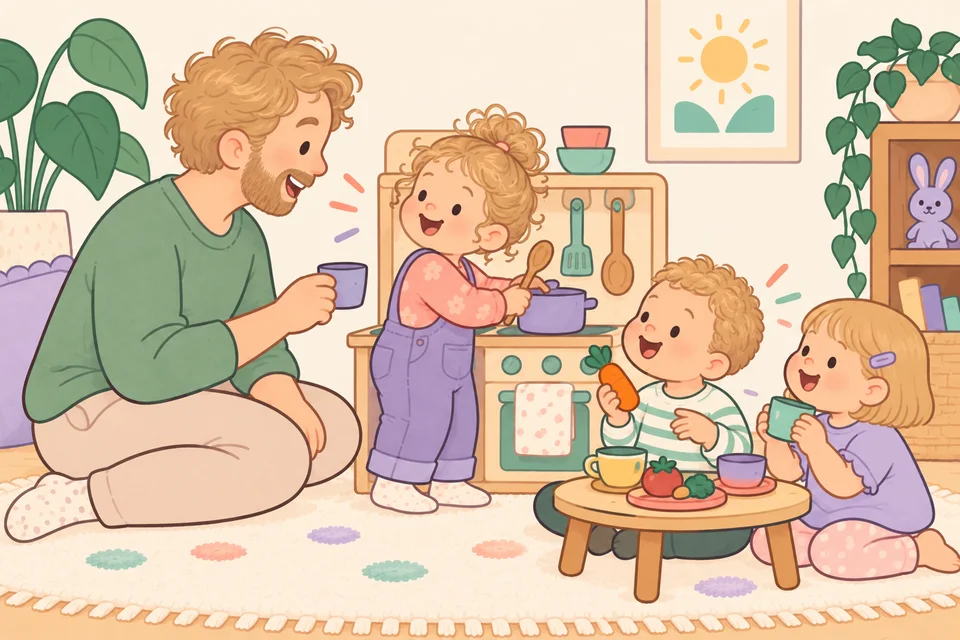
Independent play means having room to decide what to do; it does not mean losing access to a caring adult. Start in the same space with a familiar activity your child already enjoys. Instead of asking for twenty minutes alone, aim for a comfortable beginning and notice what happens. Some days they will need more company, especially when tired or adjusting to change. Respond when they call you: joining them again does not undo their own exploration. The aim is not to train your child to stop needing you, but to make room for their ideas while you remain available.
You can try
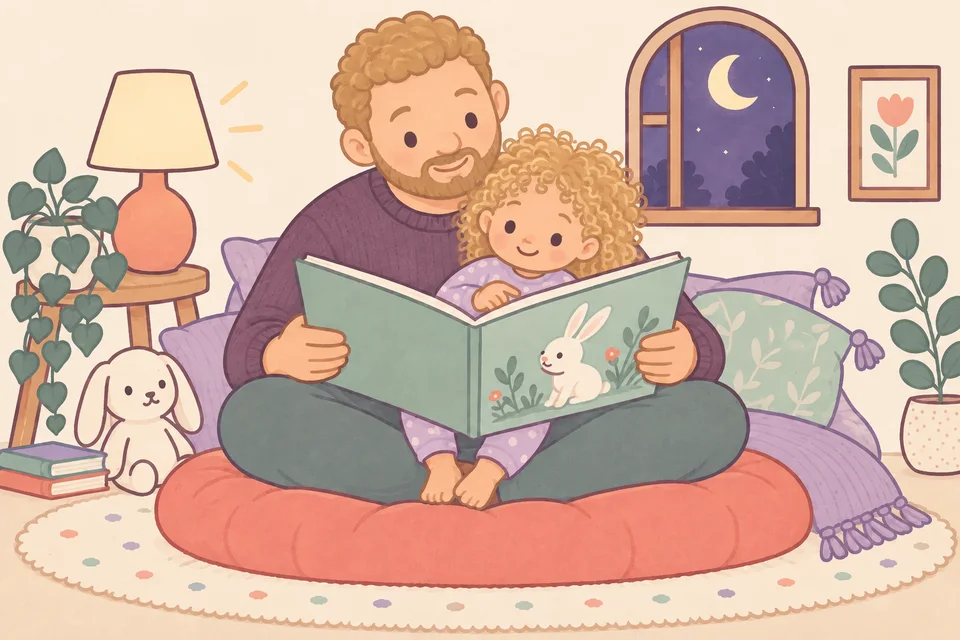
- Begin beside them: offer two familiar choices, such as large blocks or a sturdy book. Let your child choose and share the start without directing every step.
- Make a small shift: once they are exploring, stop suggesting and observe nearby. You might say, “I am here folding this towel.” Keep supervising and help when needed.
- Reconnect: notice something specific they did. If they want company, join for a while or finish the game. Try another day without a timer, rewards for lasting longer, or comparisons.
Reviewed sources

BabyBright, on your phone too
Keep observations, routines and memories in one place. Use BabyBright in your browser or download the app for everyday moments.


Indoor activities for 2- and 3-year-olds: three easy play ideas
A block tower, a stuffed animal, and a song: screen-free options for an afternoon at home.
Read guide
Imaginary friends at ages 3–5: should I worry?
Pretend companions can be part of childhood play; notice how your child feels about them.
Read guide